
Zoho: How an Indian Engineer Built a Global Software Empire Without Taking Investor Money
"While most startups chase funding, Zoho chased something far more valuable—customer trust."
When people think of successful software companies, names like Microsoft, Google, and Salesforce often come to mind. Most of these companies raised billions of dollars from investors before becoming global giants.
But one Indian company chose a completely different path.
No venture capital.
No flashy marketing.
No billion-dollar funding rounds.
Yet today, Zoho serves millions of users across more than 150 countries with over 55 business applications, proving that great businesses can be built with patience instead of pressure.
The Beginning

Zoho's story begins with Sridhar Vembu, an engineer from Tamil Nadu. After graduating from IIT Madras and completing his Ph.D. at Princeton University, he had every opportunity to build a comfortable career in the United States.
Instead, he wanted to build something of his own.
In 1996, along with his brother Kumar Vembu and a small team, he founded a software company called AdventNet. The company developed network management software for businesses and quietly built a profitable customer base.
Unlike many startups of that era, AdventNet didn't depend on investor money. Every new customer helped fund the company's growth.
A Bold Transformation
As the internet evolved, Sridhar saw another opportunity.
Businesses no longer wanted complicated software installed on every computer. They wanted applications they could access from anywhere through the internet.
Recognizing this shift, AdventNet launched a new brand in 2005—Zoho.
Instead of creating just one application, Zoho gradually built an entire ecosystem for businesses. CRM, email, accounting, HR, project management, analytics, marketing, finance, and dozens of other tools were designed to work together under one platform.
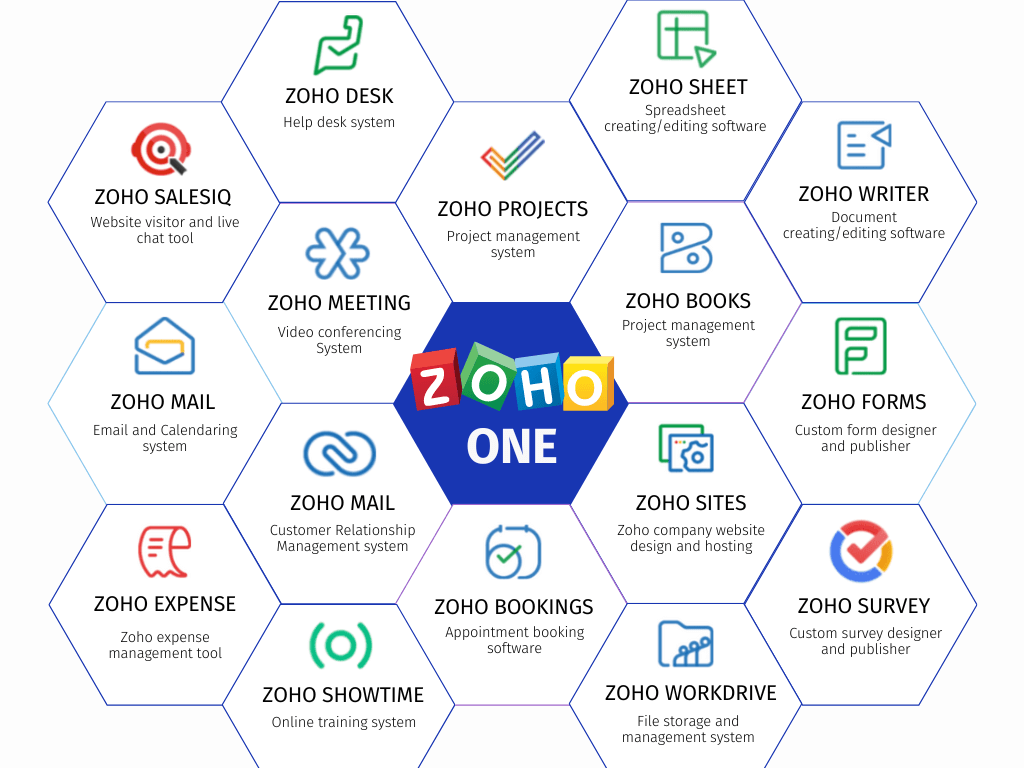
The goal was simple:
Help businesses run everything from a single ecosystem instead of juggling multiple software providers.
Growing Without Investors
While many startups celebrated funding announcements, Zoho focused on profitability.
The company never raised venture capital.
This meant the founders could make long-term decisions without pressure from outside investors.
Growth was slower than many competitors, but it was sustainable.
Instead of spending heavily on advertisements, Zoho invested in engineers, product development, and customer support.
Over time, businesses appreciated the company's reliability, affordable pricing, and integrated products.
A Different Definition of Success
Perhaps the most unique part of Zoho's journey isn't its software—it's its philosophy.
Sridhar Vembu believes great companies should create opportunities, not just profits.
He moved away from Silicon Valley and began expanding operations in rural Tamil Nadu, creating high-quality technology jobs outside major cities.
Zoho also started Zoho Schools, an initiative that trains talented students without requiring a traditional college degree. Many graduates have gone on to become successful software engineers within the company.
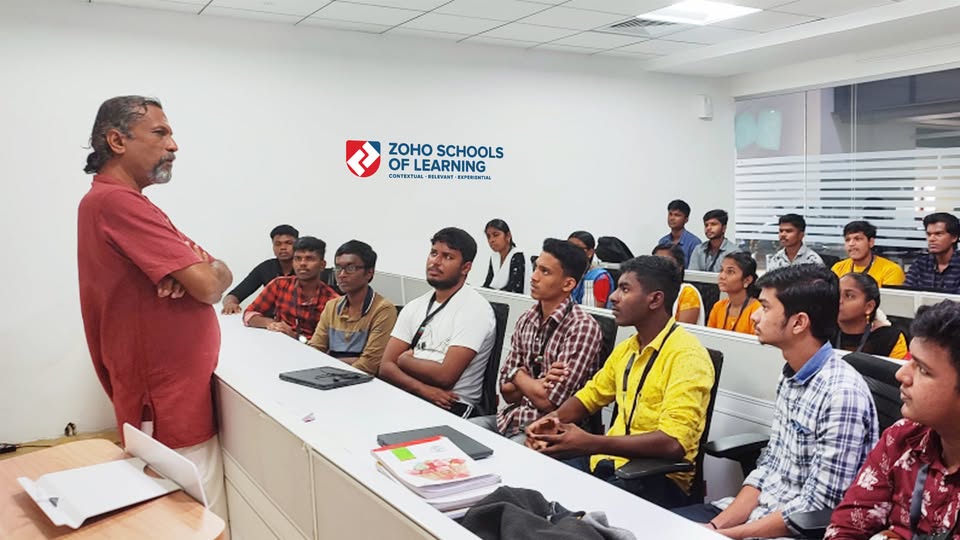
For Sridhar, success isn't measured only by revenue.
It's measured by the number of lives a company improves.
Where Zoho Stands Today
Today, Zoho is one of India's most respected software companies, serving customers around the world while remaining privately owned.
Its journey proves that you don't always need massive funding to build a global business. Sometimes, focusing on great products, happy customers, and long-term thinking is enough.
Business Takeaway
Build a business that can stand on its own, not one that depends on constant funding. Customer trust is the strongest investment any company can earn.