
Netflix: The Company That Rewrote the Rules of Entertainment
"What if the biggest threat to television wasn't another TV channel—but the internet?"
Today, Netflix is one of the world's largest entertainment companies, producing award-winning movies and series watched by hundreds of millions of people worldwide.
But in 1997, Netflix wasn't creating blockbuster shows.
It was simply trying to solve one annoying problem: late fees at video rental stores.
That small idea eventually transformed how the entire world watches entertainment.
The Beginning
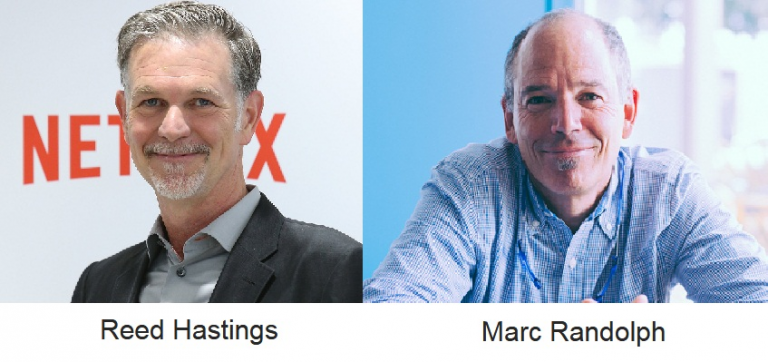
Netflix was founded by Reed Hastings and Marc Randolph in California.
At the time, renting movies meant visiting stores like Blockbuster, hoping your favorite movie was available, and returning it on time to avoid late fees.
The process was inconvenient.
The founders believed there had to be a better way.
Instead of renting movies from physical stores, Netflix allowed customers to order DVDs online. The movies arrived by mail, and users could return them after watching.
It was simple, convenient, and quickly attracted loyal customers.
A Risky Decision
As internet speeds improved, Reed Hastings saw something others didn't.
He believed the future wasn't in mailing DVDs—it was in streaming movies directly over the internet.
The idea sounded risky.
At the time, most people had slow internet connections, and many doubted that online streaming would ever replace television or DVD collections.
Despite the uncertainty, Netflix made one of the boldest decisions in its history.
It began shifting its entire business from DVD rentals to online streaming.
It was a gamble that would define the company's future.
Changing the Entertainment Industry
Streaming made entertainment easier than ever.
People could watch what they wanted, whenever they wanted, without waiting for DVDs or following TV schedules.
As more users joined, Netflix realized something important.
If every platform licensed the same movies and shows, there was little to differentiate them.
So Netflix made another bold move.
Instead of only distributing content, it started creating its own originals.
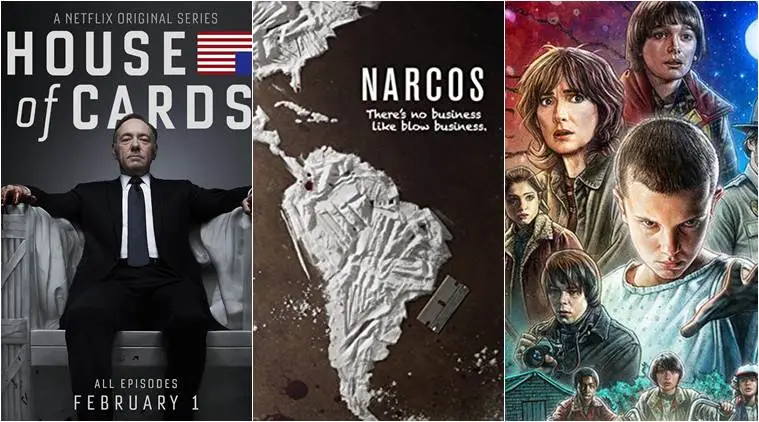
Series like House of Cards, Stranger Things, Narcos, and many others became global hits, proving that a streaming company could also become one of the world's biggest studios.
Growing Across the World
Netflix expanded far beyond Hollywood.
It invested heavily in local productions from countries like India, South Korea, Spain, and Japan.
Shows such as Money Heist, Squid Game, and Sacred Games became international successes, showing that great stories can come from anywhere.
This global approach helped Netflix reach audiences that traditional television networks had never served effectively.
Facing New Competition
Success attracted competition.
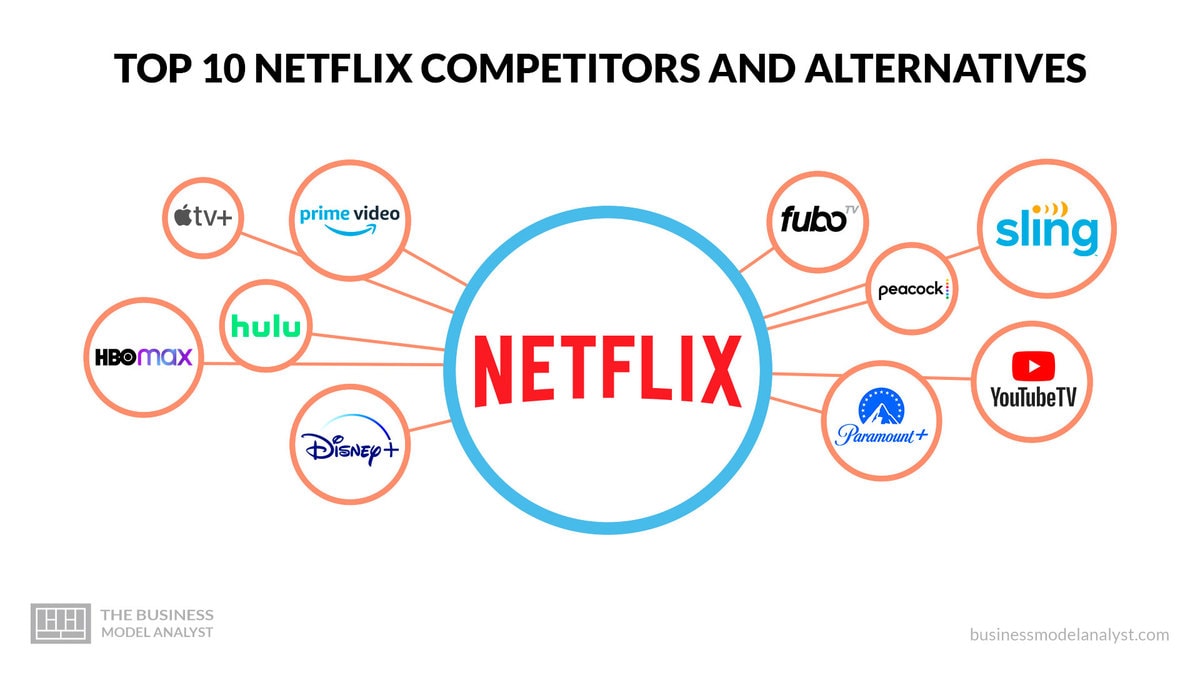
Companies like Disney, Amazon, Apple, and HBO launched their own streaming platforms, making the market far more competitive.
Netflix responded by continuing to invest in original content, improving its recommendation algorithm, and expanding into areas like mobile games and live events.
Instead of relying on one success, the company kept evolving.
Where Netflix Stands Today
Today, Netflix serves hundreds of millions of subscribers in more than 190 countries.
It didn't just create a successful business—it changed consumer behavior forever.
People no longer wait for a TV schedule.
They choose what to watch, when to watch it, and where to watch it.
What started as a DVD-by-mail company became one of the most influential entertainment businesses in history because it wasn't afraid to reinvent itself before the world demanded it.
Business Takeaway
The biggest threat to a successful business isn't competition—it's becoming comfortable. Companies that reinvent themselves before they have to are the ones that lead the future.