
Spotify: How a Small Swedish Startup Changed the Way the World Listens to Music

"At a time when music piracy was everywhere, Spotify asked a simple question: What if listening legally was easier than downloading illegally?"
Today, Spotify is one of the world's largest music streaming platforms, with hundreds of millions of users and millions of songs available instantly.
But in the early 2000s, the music industry was in crisis.
People were downloading songs illegally from platforms like Napster and LimeWire. Record labels were losing billions of dollars, artists were struggling to earn from digital music, and consumers wanted instant access instead of buying entire albums.
Most companies tried to stop piracy through lawsuits.
Spotify tried something different.
It made legal music easier than illegal music.
The Beginning
Spotify was founded in 2006 in Stockholm, Sweden, by Daniel Ek and Martin Lorentzon.
Daniel Ek had been building software companies since his teenage years. He believed technology could solve the biggest problems facing the music industry.
The vision was simple:
Instead of owning music, people could stream any song instantly over the internet.
At the time, many believed this business model would never work.
Why would record labels allow unlimited streaming? And why would people pay for something they had been downloading for free?
Winning the Trust of the Music Industry
Building the app wasn't the hardest part.
Convincing record labels was.
Major music companies worried that streaming would reduce album sales even further.
Daniel Ek spent years negotiating licensing agreements, promising that Spotify would create a legal ecosystem where artists, labels, and listeners could all benefit.
It wasn't easy, but those partnerships became the foundation of Spotify's success.
Freemium Changed Everything
Spotify introduced a business model that felt revolutionary.
Users could listen to music for free with advertisements or upgrade to Spotify Premium for an ad-free experience, offline downloads, and better audio quality.
This freemium model helped millions of users discover the platform without paying upfront.
As people became regular listeners, many eventually upgraded to Premium, creating a sustainable source of revenue.
More Than Just Music
Spotify didn't stop at streaming songs.
The company invested heavily in personalization.
Features like Discover Weekly, Daily Mix, and Spotify Wrapped made every user's experience unique.
Instead of simply offering millions of songs, Spotify helped users discover new artists and music they were likely to enjoy.
The company later expanded into podcasts and audiobooks, partnering with creators and investing in exclusive content to become a broader audio platform.
Competing With the Biggest Names
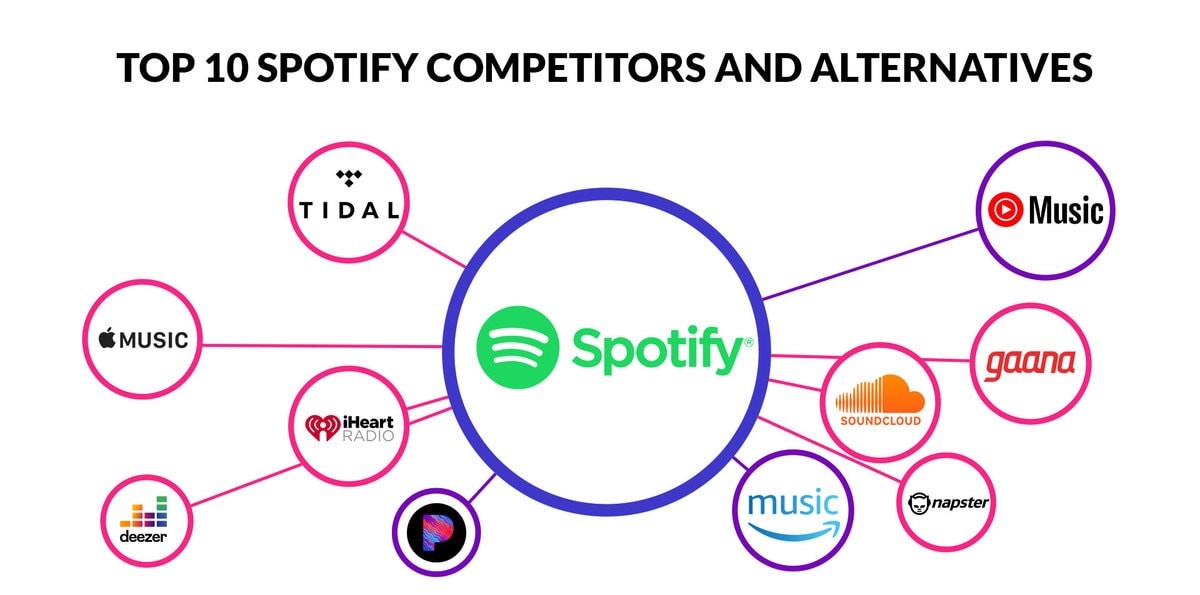
As music streaming became mainstream, powerful competitors entered the market, including Apple Music, Amazon Music, and YouTube Music and many more.
Despite this competition, Spotify continued focusing on user experience, personalization, and cross-platform accessibility.
Whether someone used Android, iPhone, Windows, a smart TV, or a gaming console, Spotify worked almost everywhere.
That convenience helped it build one of the world's largest music communities.
Where Spotify Stands Today
Today, Spotify serves hundreds of millions of users across more than 180 countries and remains one of the leading audio streaming platforms in the world.
Its journey proves that innovation isn't always about creating something completely new.
Sometimes it's about making an existing experience so simple and convenient that people naturally choose it.
Spotify didn't just change how people listen to music.
It changed how the entire music industry earns revenue in the digital age.
Business Takeaway
The best way to beat an existing problem isn't always by fighting it. Sometimes, it's by creating a better alternative that people genuinely want to use.