CRED: How Kunal Shah Built a Billion-Dollar Brand by Rewarding Good Financial Habits
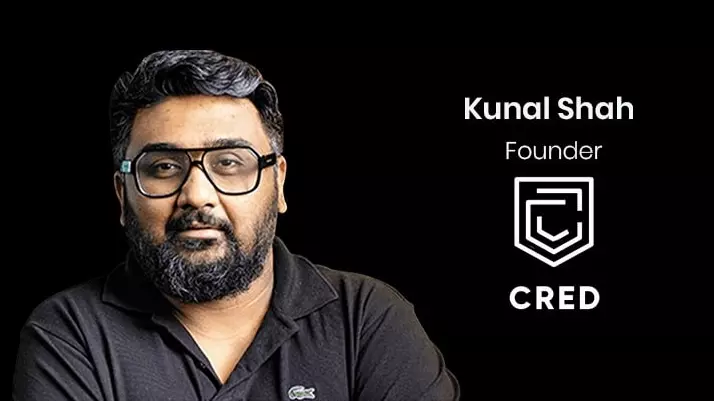
"What if paying your credit card bill on time could unlock exclusive rewards? That simple question became the foundation of one of India's most talked-about startups."
In 2018, India's fintech industry was booming. Companies were competing to help people make payments, transfer money, and access loans. But Kunal Shah noticed something interesting.
Millions of Indians owned credit cards, yet very few companies rewarded customers for simply being financially responsible.
Most businesses focused on solving problems.
Kunal wanted to reward good behavior.
That idea became CRED.
The Entrepreneur Behind the Idea
Before CRED, Kunal Shah had already built a successful startup called FreeCharge, a digital payments platform that was acquired by Snapdeal in 2015 for around $400 million.
Many entrepreneurs would have taken a break after such a successful exit.
Kunal didn't.
Instead, he spent years studying consumer behavior. He believed that trust was one of the most valuable assets in business and noticed that people who consistently paid their credit card bills on time were often responsible customers with strong purchasing power.
He saw an opportunity that others had overlooked.
An Unusual Beginning
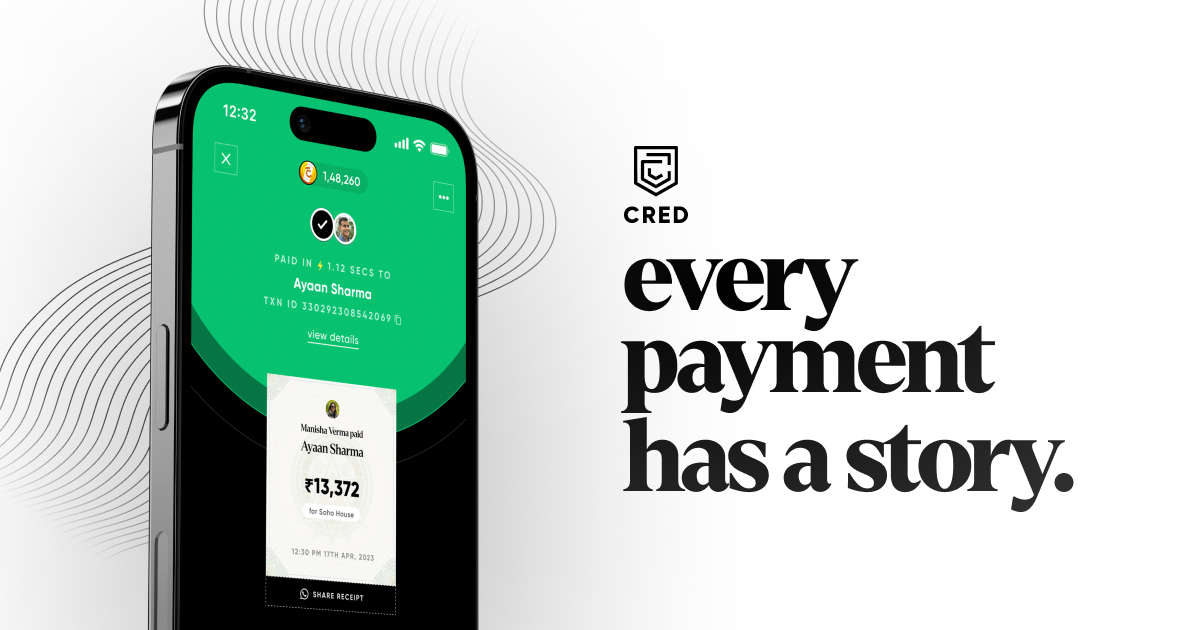
When CRED launched in 2018, many people questioned its business model.
Why would anyone download an app just to pay a credit card bill?
And why would a company reward users for something they were already supposed to do?
The answers weren't obvious.
CRED wasn't trying to become another payment app.
It wanted to build an exclusive community of financially disciplined individuals.
Only users with a good credit score could access many of the platform's benefits, creating a sense of exclusivity that immediately made the brand stand out.
Building a Premium Brand
Instead of competing on discounts, CRED focused on experience.
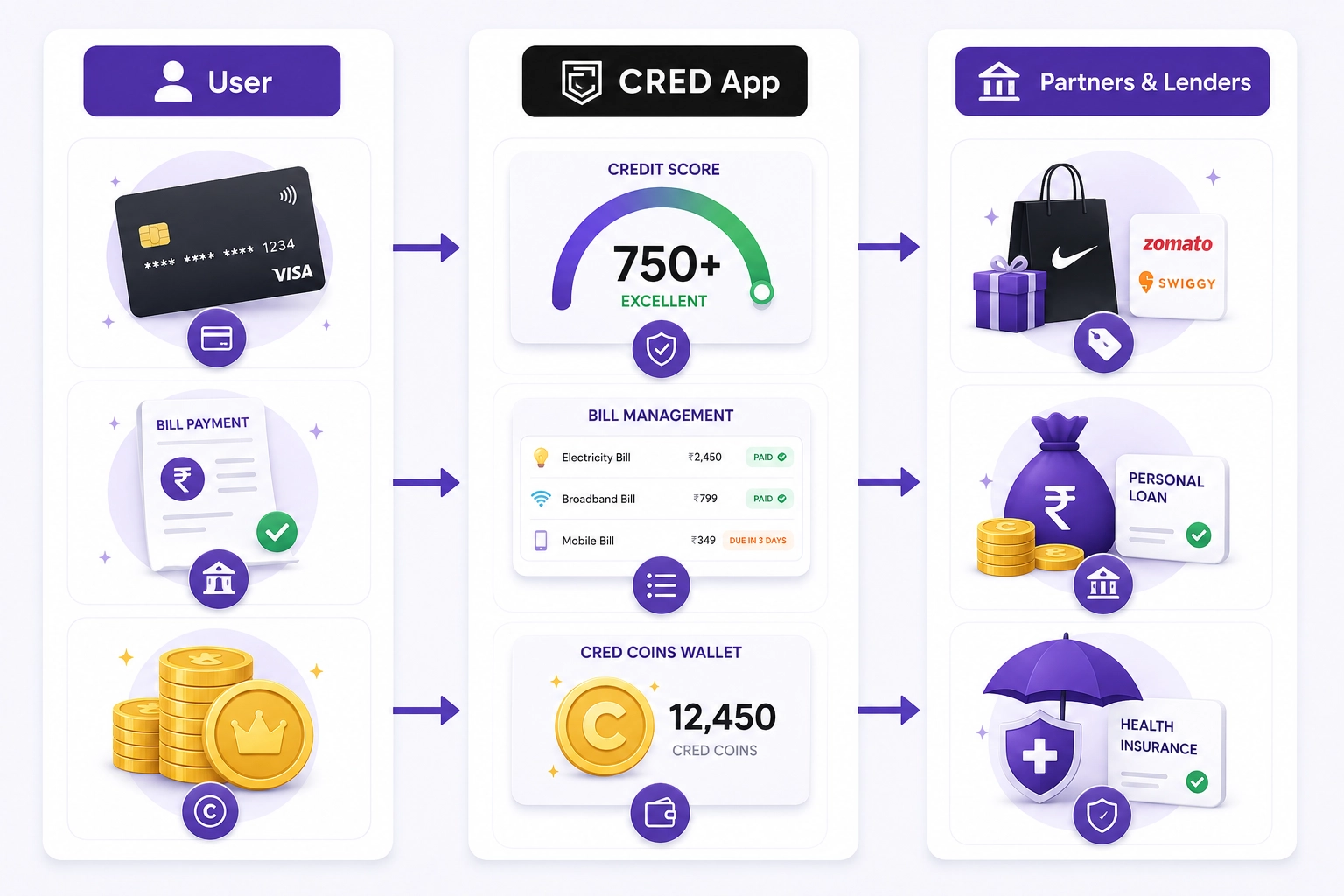
Users earned CRED Coins whenever they paid their credit card bills through the app. These coins could be redeemed for carefully curated offers from premium brands across travel, food, shopping, fitness, and lifestyle.
The company paid close attention to design, user experience, and branding. Every screen of the app felt polished, simple, and premium.
Its advertising followed the same philosophy.
Rather than traditional fintech commercials, CRED launched humorous campaigns featuring well-known personalities like Rahul Dravid, Neeraj Chopra, and other celebrities in unexpected roles. These ads quickly became viral, making CRED one of India's most recognizable startup brands.
Beyond Bill Payments
As the platform grew, CRED expanded its offerings.
It introduced services such as rent payments, personal loans, rewards, shopping, and financial tools designed around the needs of its trusted user base.
Instead of trying to attract everyone, CRED focused on understanding a specific group of customers and building more services for them.
This customer-first approach helped the company create a loyal community rather than just another user base.
Facing Questions
Despite its popularity, CRED has often faced questions about its long-term profitability and business model.
Some critics wondered whether rewarding users could become a sustainable business.
Kunal Shah remained focused on the bigger picture.
He has often said that building trust and customer relationships takes time, and that truly valuable businesses are created over years—not quarters.
Whether people agree with every aspect of CRED's strategy or not, the company has shown that strong branding, thoughtful design, and customer trust can create a powerful competitive advantage.
Where CRED Stands Today

Today, CRED is one of India's leading fintech platforms, serving millions of credit card users and expanding into multiple financial services.
More than just a payment app, it has become a premium consumer brand that changed how people think about rewarding financial discipline.
Its journey proves that sometimes the biggest opportunities don't come from solving new problems—they come from looking at familiar problems in a completely different way.
Business Takeaway
Don't build for everyone. Build something exceptional for a clearly defined audience, and let trust become your biggest competitive advantage.