
The Bear House: From Manufacturing for Global Brands to Building One of India's Fastest-Growing Menswear Labels
Every successful fashion brand begins with a unique vision, but very few are built by people who have already spent years behind the scenes making clothes for some of the world's biggest brands. The story of The Bear House is one such example.
Founded by husband-and-wife duo Harsh Somaiya and Tanvi Somaiya, the brand wasn't born in a design studio—it was built on years of manufacturing expertise. Before launching their own label, they manufactured garments for international brands such as Zara, Marks & Spencer, Mango, and other global retailers. Running a large export manufacturing business taught them everything about fabrics, stitching, quality control, production efficiency, and what separates premium clothing from average apparel.
The Realization
While manufacturing for global brands, they noticed something important.
They were creating high-quality garments that carried someone else's label. Customers admired the finished products but never knew who had actually made them.
That sparked a question:
"Why keep building other brands when we can build our own?"
This simple thought became the foundation of The Bear House. Inspired by clean European fashion, they wanted to create premium everyday menswear that looked sophisticated without being flashy. Instead of chasing fast-changing fashion trends, they focused on timeless essentials that men could wear confidently for work, travel, weekends, and casual occasions.
Starting Small
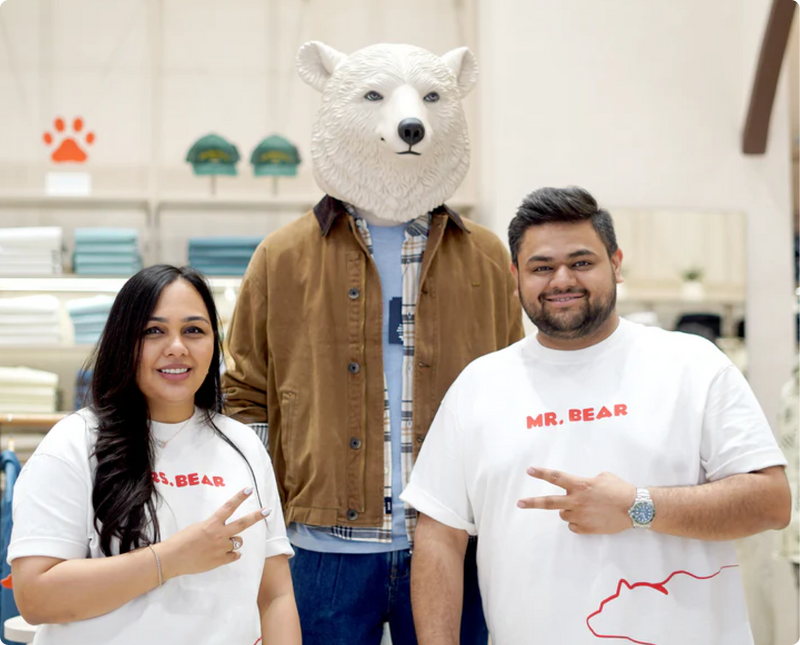
The company officially began around 2017–2018 and adopted an online-first strategy. Instead of investing huge amounts in expensive retail stores, they chose marketplaces where customers were already shopping.
Their products first appeared on platforms like Myntra, Flipkart and Jabong before gradually expanding to Amazon, Ajio, Tata CliQ and several other marketplaces. This allowed them to reach customers across India without the high costs of offline retail.
What Made Them Different?
Unlike many fashion startups that relied heavily on branding and marketing, The Bear House had an advantage few competitors possessed—manufacturing expertise.
Since the founders understood garment production from the factory floor, they could maintain strict quality standards while keeping prices competitive. They focused on premium fabrics, modern fits designed for Indian customers, durable stitching, and honest pricing.
Instead of introducing hundreds of random products, they expanded category by category. They started with shirts and gradually added polos, T-shirts, boxers, chinos, denim, kurtas, winter wear, co-ords, and accessories, ensuring each category met the same quality standards before moving to the next.
Scaling the Business
As customer trust grew, so did the brand.
The Bear House launched its own direct-to-consumer website, expanded its catalog to thousands of styles, and built a loyal customer base across India. The company eventually crossed significant revenue milestones and started opening exclusive offline stores across major cities while also entering the UAE market. According to the company, it now serves over 1.5 million customers, has developed thousands of styles, and operates stores across India and the UAE.
Shark Tank India

A major milestone came when The Bear House appeared on Shark Tank India. The appearance introduced the brand to millions of viewers and highlighted its journey from manufacturing garments for global labels to building a homegrown premium menswear brand. The exposure significantly increased public awareness and strengthened the company's reputation among consumers.
Where The Bear House Stands Today
Today, The Bear House has evolved into one of India's recognized premium menswear brands. It continues expanding through online marketplaces, its own website, exclusive retail stores, and international locations while staying committed to minimalist design, premium fabrics, and quality craftsmanship rather than short-lived fashion trends.
Business Lessons
- Build expertise before building a brand.
- Own the customer relationship instead of remaining only a supplier.
- Focus on quality and consistency rather than chasing every trend.
- Use online marketplaces to validate demand before making large offline investments.
- Expand product categories gradually while maintaining quality standards.
- Long-term brand value comes from customer trust, not aggressive discounting.